Wheel Seal Inspection and Replacement to Protect Bearings and Brakes
Wheel seals keep lubricant inside the hub where the bearings need it and keep dirt and water out. When a seal starts leaking, the bearings slowly lose lubrication while oil or grease spreads onto the brakes. That combination can lead to overheated bearings, reduced braking, and in the worst cases, a wheel-end failure on the highway. Wetcreek Repair Solutions inspects and replaces wheel seals on tractors, trailers, and commercial trucks throughout Joplin, MO.
Wheel End Services We Perform With Every Seal Replacement
A leaking seal is often a sign of something else going on at the wheel end, such as worn bearings, incorrect endplay, or a clogged hub vent. We inspect the bearings, races, and spindle whenever a hub is opened, and we install wear sleeves when the sealing surface is grooved. Bearings are adjusted to the correct endplay, the hub is refilled with the right lubricant, and contaminated brake linings are replaced. The goal is a dry, properly lubricated wheel end that stays that way.
Hub Cap and Sight Glass Inspection
Wheel Seal Replacement
Wear Sleeve Installation
Wheel Bearing Inspection
Bearing Endplay Adjustment
Hub Lubricant Refill
Contaminated Brake Lining Replacement
Hub Vent and Cap Gasket Service
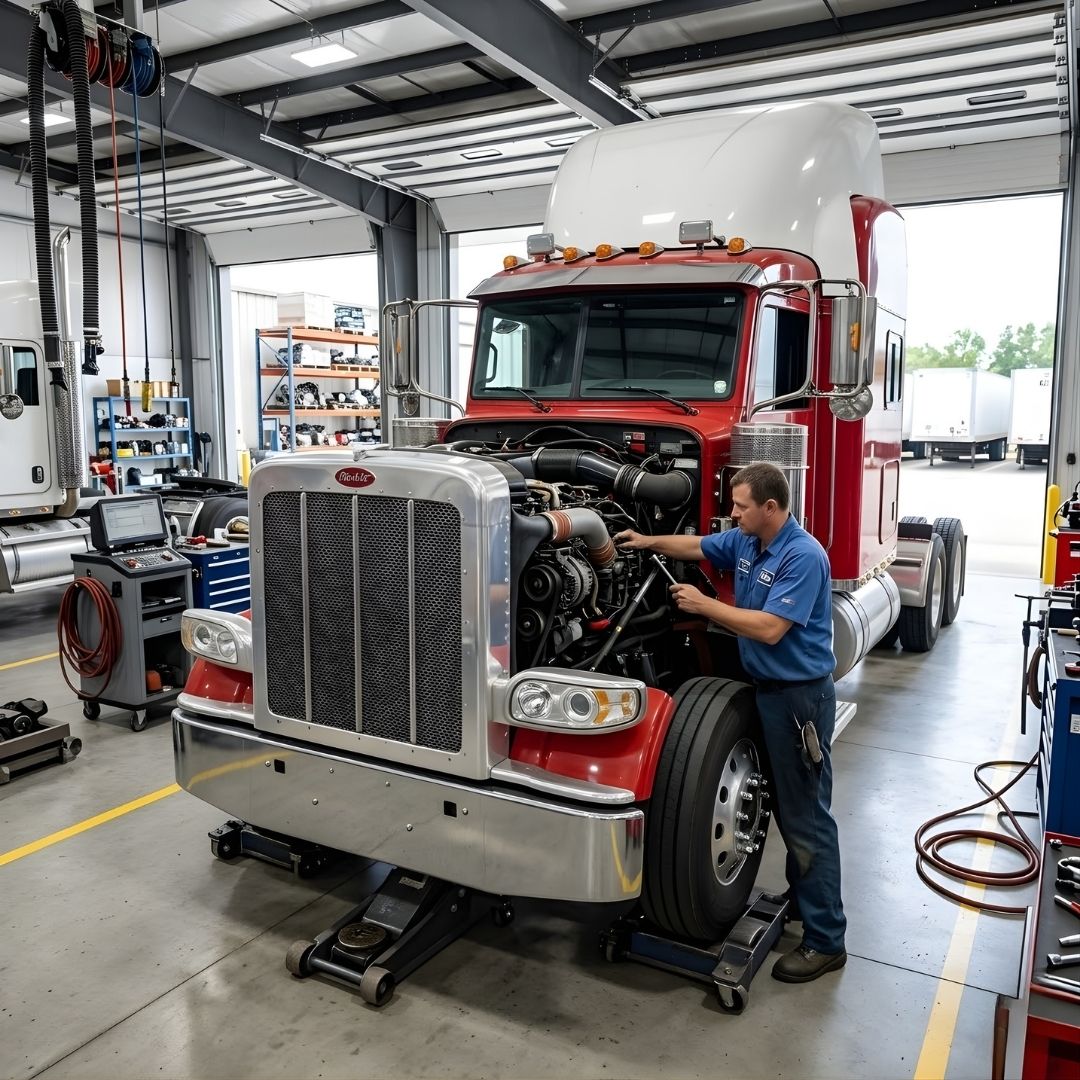
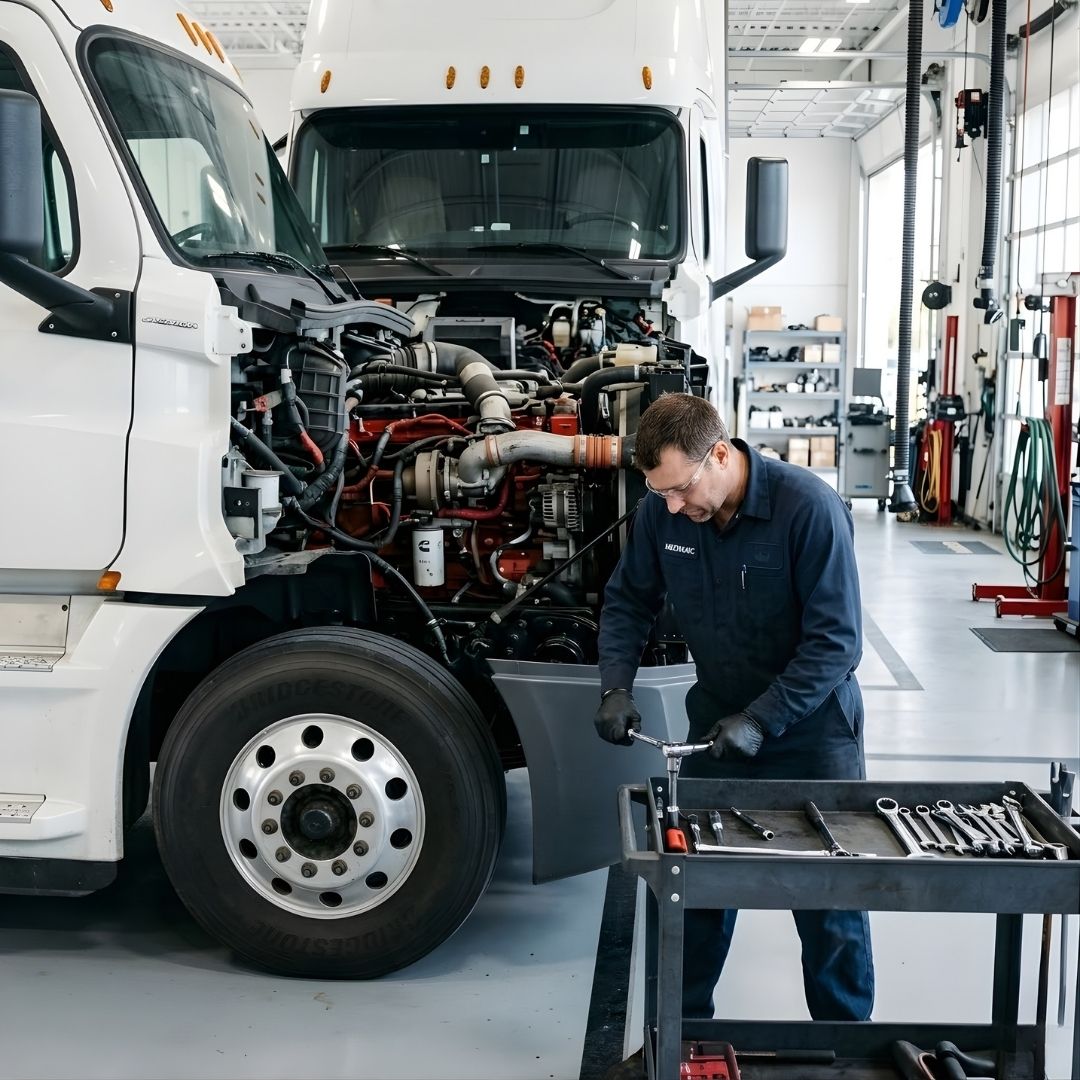
Large Truck Repair That Stops Leaks at the Wheel End
Installing a new seal without checking bearing adjustment or the cause of the leak is a recipe for a repeat visit. Our large truck repair team follows proper wheel-end procedures, from cleaning and inspecting components to setting endplay with the right tools. Trailer repair customers benefit from the same care, since trailer hubs are a common source of seal leaks and bearing failures. Many seal replacements can also be handled through our mobile truck repair service, keeping your truck or trailer at your yard.
Frequently Asked Questions
How can I tell if a wheel seal is leaking?
Look for oil or grease streaks on the inside of the wheel and tire, a low lubricant level in the hub cap sight glass, or wet buildup around the brake area. A burning smell after driving can also point to oil reaching hot brake parts.Why do brake linings need replacing after a seal leak?
Brake linings absorb oil and grease, and once contaminated, they can't be cleaned well enough to restore full friction. Replacing them is necessary to bring braking performance back to normal.What's the difference between oil-bath and grease-packed hubs?
Oil-bath hubs use liquid oil that you can check through a sight glass in the hub cap. Grease-packed hubs use grease or semi-fluid grease and don't have a visible level. Each requires the correct seal and lubricant type.What causes wheel seals to fail?
Common causes include age and wear, improper installation, incorrect bearing endplay, overfilled hubs, the wrong lubricant, a clogged hub vent, and excessive heat from dragging brakes.Do preset hubs still need bearing adjustment?
Preset hub systems are designed to set correct bearing endplay when the spindle nut is torqued properly, so they don't require manual adjustment. Conventional hubs need endplay set by hand, which must be done carefully to avoid bearing damage.
Need Reliable Truck Repair in Joplin, MO?
Request Service for trusted diesel repair, roadside help, maintenance, and diagnostics for trucks, semis, and commercial diesel vehicles.
Truck Road Service Across Joplin and Nearby Areas
Broken Down? Get Truck Repair Now
Whether you need roadside truck repair on the highway or a trusted truck repair shop for your fleet, Wetcreek Repair Solutions is ready. Call +1 417-605-7420 for 24/7 truck road service in Joplin, MO.