Turbocharger Repair and Replacement That Restores Boost and Power
Your turbocharger spins at extreme speeds in exhaust heat that can reach well over a thousand degrees, forcing air into the engine to create the power you need to pull heavy loads. Most modern diesels use variable geometry turbos with electronic actuators, adding another layer of complexity when something goes wrong. Wetcreek Repair Solutions diagnoses, repairs, and replaces turbochargers on semis and commercial trucks throughout Joplin, MO.
Turbocharger Services for Heavy-Duty Diesel Engines
Low boost doesn't always mean a bad turbo. Sticking vanes, a failing actuator, a cracked charge pipe, or a faulty sensor can all reduce boost while the turbo itself is still healthy. We test boost pressure, check actuator movement and calibration, and inspect the intake and exhaust paths before recommending a replacement. When a new turbo is needed, we also service the oil supply and drain lines so the replacement starts with clean, steady lubrication.
Boost Pressure Testing
VGT Actuator Repair and Calibration
Sticking Vane Cleaning
Turbo Oil Feed and Drain Line Service
Turbo Replacement
Intake and Charge Pipe Inspection
Wastegate Repair
Turbo Failure Root Cause Analysis
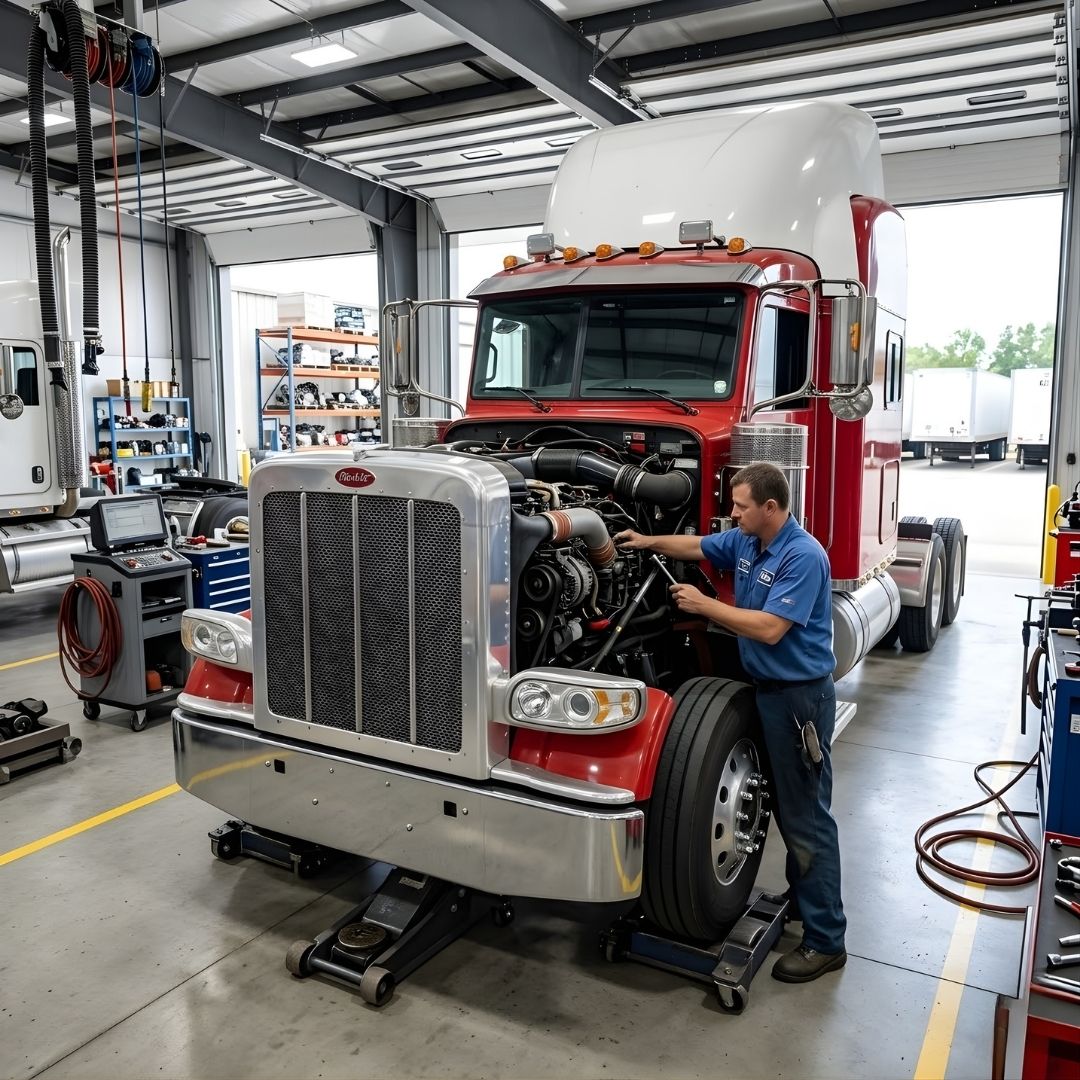
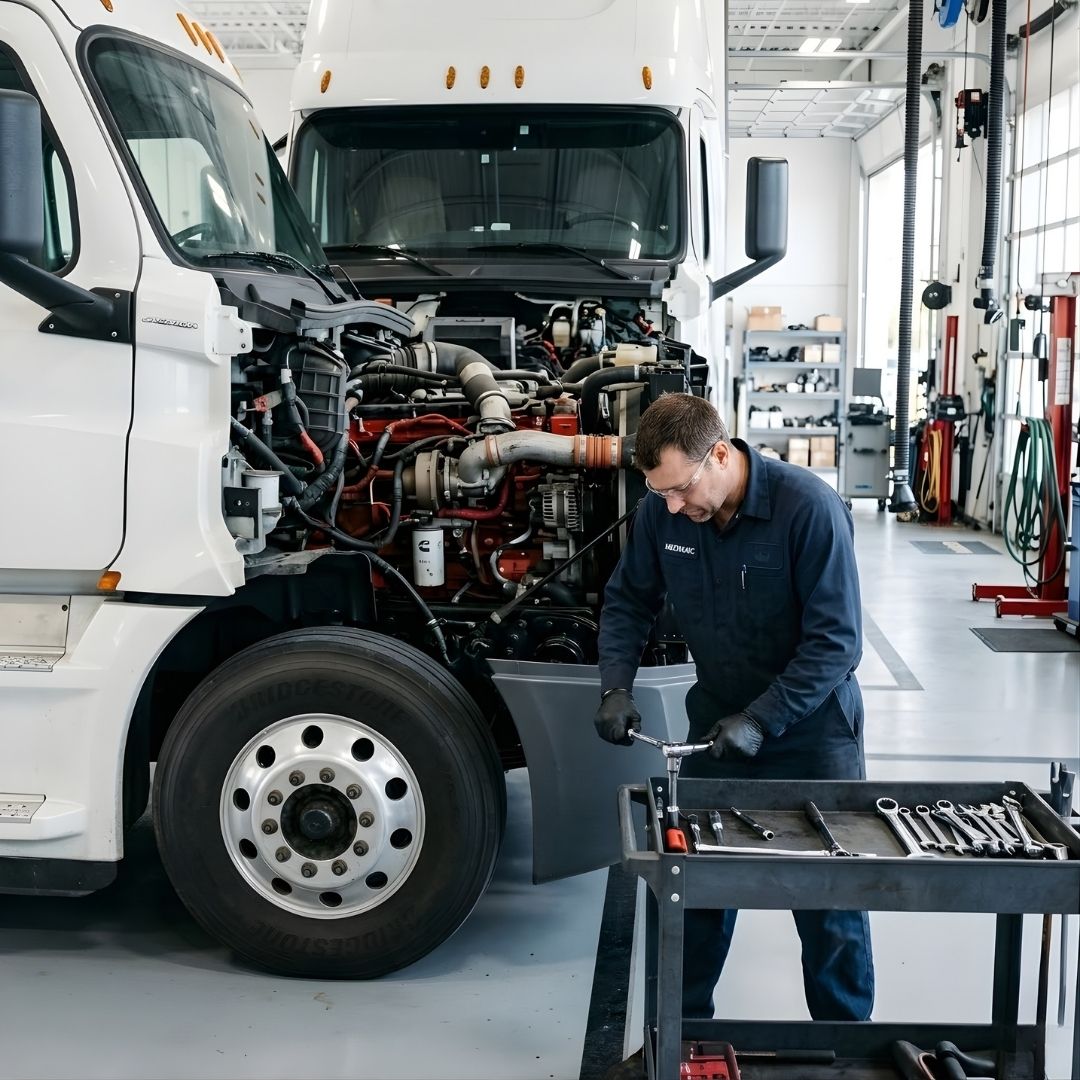
Finding Why the Turbo Failed Before Installing a New One
Turbochargers rarely fail on their own. Oil starvation, contaminated oil, debris entering the intake, or excessive exhaust temperatures usually play a part. If that cause isn't corrected, a brand new turbo can fail just as quickly as the old one. Our truck mechanic in Joplin, MO examines the failed unit, the oil system, and the intake path to find what went wrong, making this truck repair a long-term fix. If turbo trouble leaves you low on power during a run, our truck road service can check boost and actuator function where you're parked.
Frequently Asked Questions
What is a variable geometry turbo?
A variable geometry turbo uses adjustable vanes to control airflow and boost across a wide range of engine speeds. The vanes are moved by an electronic actuator. Soot buildup can cause the vanes to stick, leading to low power, overboost, or fault codes.What causes a diesel turbocharger to fail?
The most common causes are oil starvation, dirty or diluted oil, foreign objects entering the intake or exhaust, and repeated hot shutdowns. Restricted oil drain lines and excessive exhaust temperatures can also shorten turbo life.Should I let my truck idle before shutting it off?
After a hard pull or long climb, a brief cool-down period lets the turbo slow down and cool before oil flow stops. Avoid long idling sessions, though, since they add soot and fuel waste.Can a turbocharger be rebuilt instead of replaced?
Some turbos can be rebuilt, but in many cases a new or remanufactured unit is the more reliable and cost-effective option, especially for variable geometry turbos with electronic actuators. We'll recommend the best choice based on the damage.Why is there oil in my intake or charge air pipes?
A light film of oil can be normal on some engines due to crankcase ventilation. Larger amounts can point to worn turbo seals, a restricted turbo oil drain, or high crankcase pressure. Each cause needs a different repair, so testing is important.
Need Reliable Truck Repair in Joplin, MO?
Request Service for trusted diesel repair, roadside help, maintenance, and diagnostics for trucks, semis, and commercial diesel vehicles.
Truck Road Service Across Joplin and Nearby Areas
Broken Down? Get Truck Repair Now
Whether you need roadside truck repair on the highway or a trusted truck repair shop for your fleet, Wetcreek Repair Solutions is ready. Call +1 417-605-7420 for 24/7 truck road service in Joplin, MO.